Core Product Line

Self-Advancing Conveyor Tail

Equipment that moves the conveyor line forward with the coal face — no dismantling and re-installation. Engineered to belt width, capacity and roadway geometry.

Home›Products›Self-Advancing Conveyor Tail
Purpose

Why a Self-Advancing Tail

In fully mechanised mining the coal face advances continuously and the conveyor line has to advance with it. Traditionally the conveyor had to be moved by hand: dismantled, hauled and installed again — production stops, output is lost and there is a risk of belt damage.

The self-advancing tail takes this job off the crew. The unit is mounted on its own travel module and moves on hydraulic drive as the face is worked. The operator controls the advance remotely, without leaving the work station.

  • Continuous advance of the conveyor line behind the face
  • Conveyor length kept constant — no extending or shortening
  • Less manual labour and less damage from hauling
  • Remote control for the operator
  • Adaptable to narrow and inclined roadways
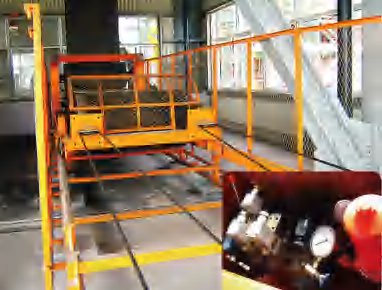
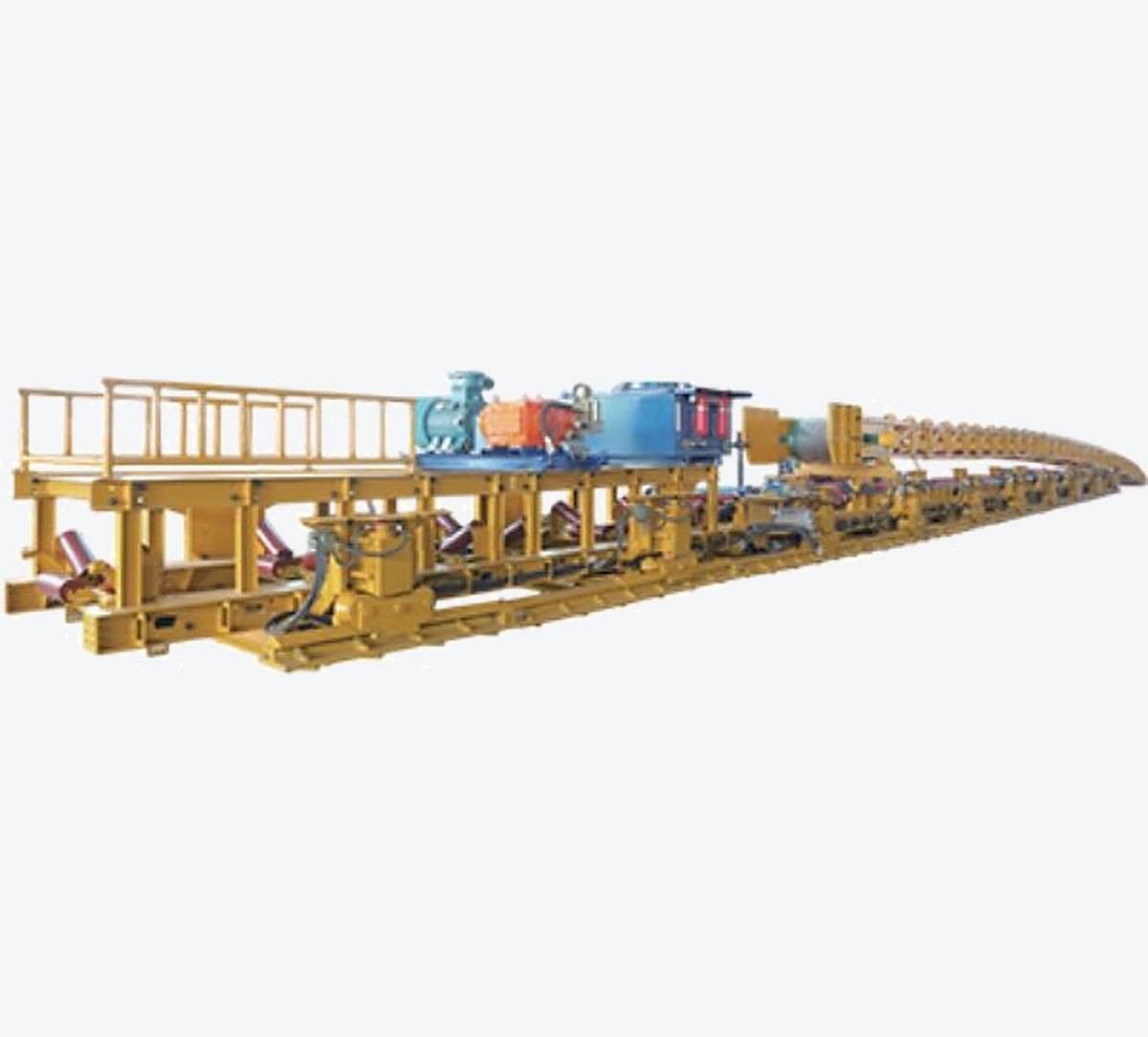
Self-advancing conveyor tail installed in a roadway
Selecting a Type

Three Types of Self-Advancing Tail

We build three advance schemes. The choice depends on the conditions of the mining panel and how the work is organised.

Type DWZY1000(800)/1200(Y)
Walking self-advancing tail

Walking Self-Advancing Tail

For driving the maingate roadway. Seven slide blocks correct frame bending and direction and adjust belt tracking; six support cylinders and one feed cylinder perform the step.

Hydraulics: high-pressure face emulsion, 4+2 valve bank, hydraulic lock on every cylinder.

Specifications →
Type DWZY
Crawler self-advancing tail

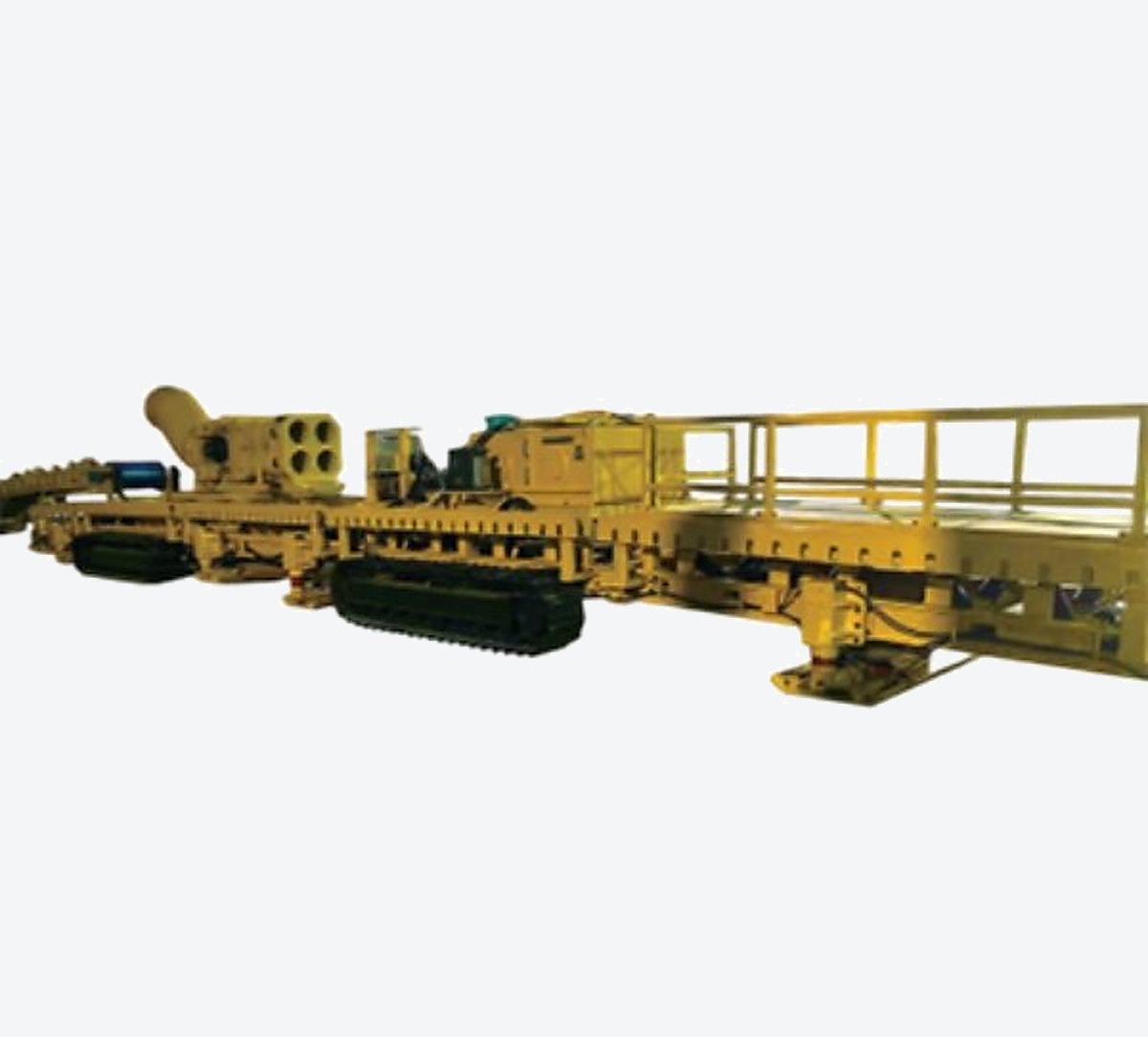
Crawler Self-Advancing Tail

Rapid-advance unit for high-output panels: at least 10 m of advance per day. Fast advance and correct overlap between the belt and scraper conveyors.

Features: built-in self-advance, alignment and straightening; automatic belt tensioning on the affiliated conveyor.

Specifications →
Type Martel
Martel type conveyor tail

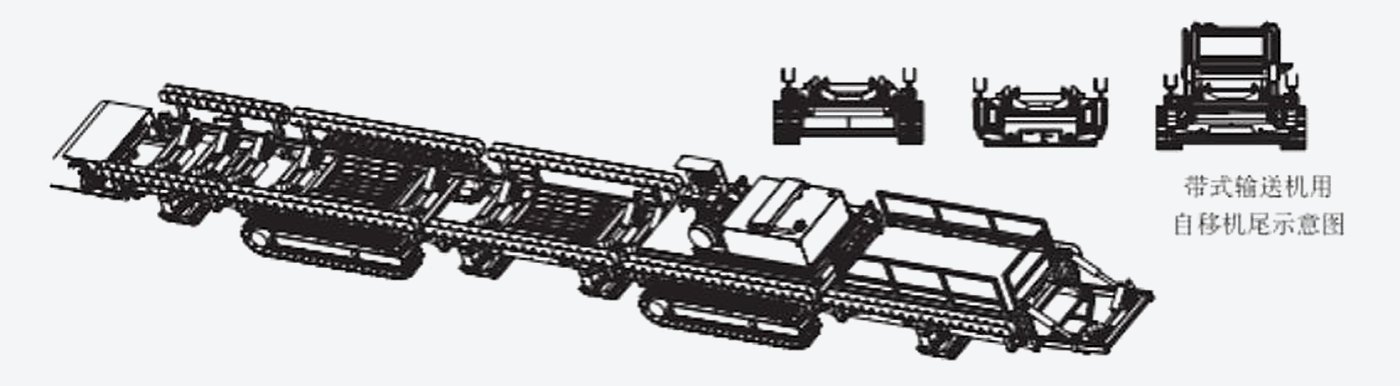
Martel Self-Advancing Tail

Modular demountable design for the confined space of the maingate roadway. Frame, carriage and feed mechanism are installed separately — easier transport and installation underground.

Efficiency: +30% or better in coordinating development and haulage operations.

Specifications →
Common to all three types. All three schemes use high-pressure face emulsion as the working medium, are fitted with a hydraulic lock on every actuator cylinder, and remove the need for frequent removal of the anchor support. An engineer will help you select the type for your conditions.
Common Principle

How Any of the Three Types Is Built

The configuration depends on belt width and operating conditions. Below is the standard supply scope; hydraulic system components and options are confirmed per project.

Travel Carriage

Load-carrying frame with support elements that carries the weight of the belt, tension pulley and power units. Sized to the actual load and belt width.

Hydraulic System

Hydraulic pump station, distribution valves, travel cylinders, filters and tank. The pump station is sized to the required tractive force.

Pulley & Tensioning Unit

Tension pulley with belt tension adjustment, cleaning device and belt-break cut-off system — matched to the route profile.

Drive & Coupling

Pulley gear motor, coupling and brake. Configuration depends on the required conveyor speed and capacity.

Control Station

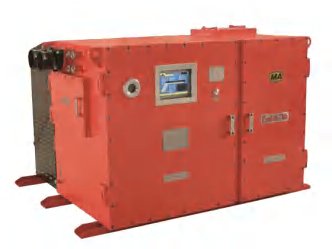
Control unit for advance and tensioning, operator pendant with push-button control, protection against belt break and overload.

Cable Routes & Protection

Routing of cables and hydraulic hoses, protection against mechanical damage — designed for the geological conditions.

How It Works

Operating Principle and Method of Advance

Operating Principle

Hydraulic Advance

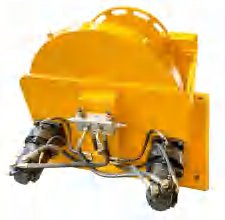
Hydraulic cylinders move the carriage along the conveyor line. Control comes from the operator station; travel can be with or against belt direction depending on configuration.

Travel speed and stroke length are set by the hydraulic pump station. The controller monitors system pressure and stops travel on overload — for example on jamming or a foreign object.

Advance Methods

Rope, Chain or Walking

The advance method is selected to suit the roadway. Rope traction for even routes. Chain drive for high-load panels with uneven floor. Walking scheme with support carriages for difficult route profiles.

Walking Self-Advancing Tail → — the step-by-step version with higher ground clearance.

Control

Remote Control

Advance and tensioning are controlled remotely from a pendant station. The operator works outside the travel zone of the tail section. Wired or wireless schemes available as agreed with the customer.

Integration

Working with the Shearer

The conveyor tail works together with the shearer and the conveyor transport system: the tail advances as the shearer cuts, and drive and tensioning are matched to the line operating mode.

Fully mechanised longwall face — the main application. Configurations for the conveyor roadway, haulage and development stages are available.

Specifications

Self-Advancing Tail Parameters

Range values by series. Exact figures for your configuration are confirmed by an engineer once the input data is received.

Download Specifications (PDF)

PDF in English, metric units — prepared on request once the configuration is agreed.

Belt width800 / 1000 / 1200 / 1400 mm
Conveyor capacity200 to 2,000 t/h depending on series and line length
Belt speedup to 4.0 m/s
Advance tractive forceby load calculation; selected to maximum travel resistance
Stroke lengthfrom 20 m and up; custom stroke to roadway geometry available
Tail advance speed0.1–0.5 m/s (hydraulically adjustable)
Hydraulic working pressureup to 25 MPa
Pump stationhydraulic, with filtration and overload protection
Controlremote, wired or wireless — as agreed
Power supply380 / 660 / 1140 V — to customer specification
Belt-break protectionautomatic stop and start interlock
Operating conditionsunderground coal mine conditions; surface installations by project
Guides and stopssteel, adjustable; guarding of the travel zone
Spare parts kitas agreed; identifiable spare parts

The values shown are ranges and do not constitute a public offer. Current specifications are provided by an engineer as part of the commercial proposal.

On documentation. Specifications, drawings, installation and operation diagrams are available on request. Permit and certification requirements depend on country and project — where required we provide the technical files and support compliance with the customer’s requirements.
Applications

Where the Conveyor Tail Is Installed

Fully mechanised longwall face

Longwall Face

The main application: the conveyor follows the shearer as the seam is worked out.

Conveyor roadway

Conveyor Roadway

Haulage line in an underground roadway, including on gradient.

Loading point

Loading Point

Transfer point where tensioning and advance must be coordinated.

Equipment manufacturing

Pre-shipment Preparation

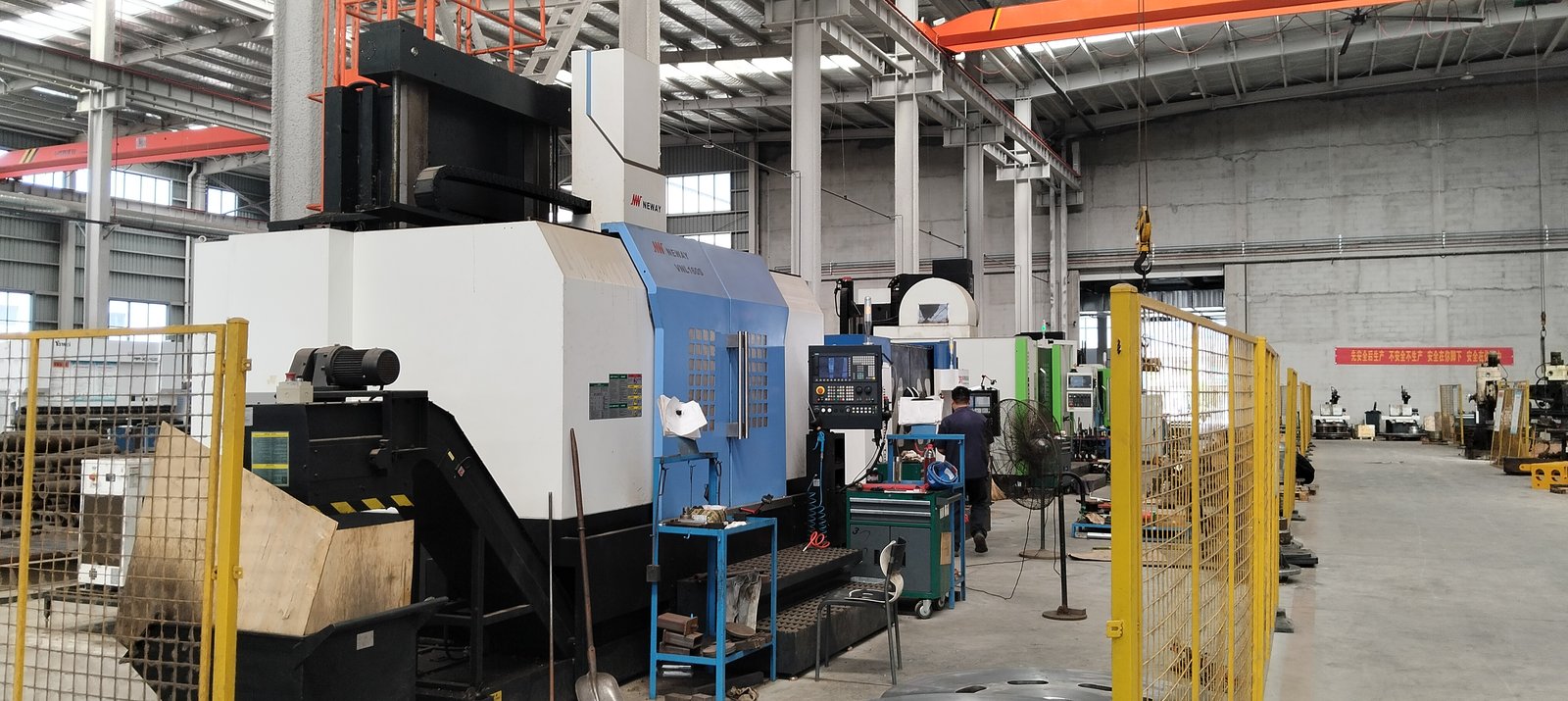
Assembly and testing at the factory before dispatch, with a photo report.

Service

What You Get with the Equipment

Technical Files

Specifications in English, installation drawings, hydraulic system diagram, operation manual and spare parts lists.

Selection for Your Project

Send belt width, capacity, speed, conveyor length and route profile — the engineer will check compatibility and propose a configuration.

Installation & After-sales

Manuals ship with the equipment, engineers support installation remotely, and diagnostics and identifiable spare parts are available after sale.

Need Specifications for Your Conveyor?

Send belt width, capacity, speed and line length. An engineer will prepare the selection and a commercial proposal with specifications in English.

Request Selection & Price
Telegram